
The Epic Voyage That Started the World Cup
Anonno Aziz Nibir
লাইফ টিভি 24
প্রকাশিত: ২২:১১ ২১ জুন ২০২৬
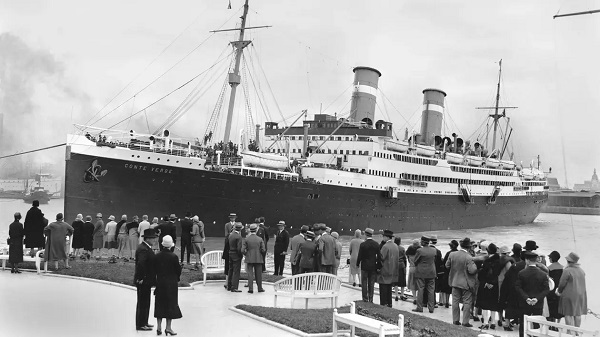
When football’s greatest tournament kicked off in 1930, it did so not with sleek charter flights or luxury team buses, but with a daring, weeks-long ocean crossing that tested the resolve of everyone involved. The first FIFA World Cup in Montevideo, Uruguay, was as much an adventure on the high seas as it was a battle on the pitch.
There were no qualifying rounds. FIFA simply invited nations to compete, and the chosen host was the capital of Uruguay in South America. For European teams, the invitation came with a massive catch: crossing the Atlantic by ship took at least two weeks. Many countries took one look at the journey and politely declined. In the end, only four brave European squads made the trip: Belgium, Romania, Yugoslavia, and France.
The voyage itself became part of World Cup legend. Most of the teams traveled together aboard the SS Conte Verde. The Romanian side boarded in Genoa, Italy. The French team joined at the port of Vieux-Port on June 21, sharing the vessel with none other than FIFA President Jules Rimet, the original World Cup trophy, and three match referees. The Belgian team climbed aboard later when the ship stopped in Barcelona. Even the Brazilian squad joined the journey midway, boarding in Rio de Janeiro.
After fourteen long days at sea, the ship finally docked in Montevideo on July 4. Yugoslavia took a different route, sailing from Marseille aboard the ship Florida.
Life onboard was far from comfortable. Players tried to stay sharp by doing physical exercises and light training drills on the open deck. Proper football practice, however, was impossible. Kicking a ball around carried one major risk: once it sailed over the railing into the ocean, it was gone forever. So the players made do with running, stretching, and dreaming of the matches ahead.
Some of Europe’s best footballers, crammed onto a ship for two weeks, eating, sleeping, and training while the Atlantic waves rolled beneath them. No modern recovery tools, no video analysis, just salty sea air and the hope that their legs would still have life in them when they finally stepped onto Uruguayan soil.
That pioneering spirit defined the 1930 World Cup. While today’s players jet across continents in hours, those early competitors embraced a journey worthy of explorers. Their willingness to endure such hardship helped birth a tournament that has since captured the imagination of the entire planet.
Even now, nearly a century later, those transatlantic voyages remain a powerful symbol of what the World Cup represents: sacrifice, passion, and the unbreakable desire to compete on the biggest stage. This game has come a long way since those rickety ships, but the romance of that first tournament still stirs something deep in every football fan.
- ভাত রান্নার আগে চাল ভালো করে ধুতে বলা হয় কেন?
- মোটরসাইকেলের সামনেও নম্বর প্লেট রাখা বাধ্যতামূলক
- বিএসএফের হাতে আটক দুই পুলিশ সদস্যকে ফেরত আনল বিজিবি
- এডিস মশা শনাক্ত করবে ‘স্মার্ট ফাঁদ’
- এনআইডিতে নাম, বয়স ও ঠিকানা সংশোধনে যেসব কাগজপত্র লাগবে
- ফ্যামিলি ও কৃষক কার্ডে কমবে দারিদ্র্য, ধারণা বিশ্বব্যাংক-আইএমএফের
- বয়স্করা যেসব খাবার এড়িয়ে চলবেন
- বৈশ্বিক ক্ষুধা সূচকে ভারত-পাকিস্তানের চেয়ে এগিয়ে বাংলাদেশ
- বাংলাদেশ-ওয়েস্ট ইন্ডিজ সিরিজের সূচি পরিবর্তন
- ঢাকার বায়ুদূষণ দেশের জন্য লজ্জার বিষয়: প্রধানমন্ত্রী
- ‘বাংলাদেশ পথ দেখিয়েছে’, নেহার ভিডিও নিয়ে বিস্ফোরক অভিযোগ বিজেপির
- প্রক্রিয়া শুরু
মালয়েশিয়ায় যেভাবে হবে বাংলাদেশি কর্মী নিয়োগ - দীর্ঘ সময় ফোন ব্যবহারে চোখে জ্বালাপোড়া, সমাধান কী?
- ওষুধ কারখানার আগুনে ক্ষয়ক্ষতি হলেও প্রাণহানি নেই
- নোবেল পুরস্কারের ফেসবুক পেজে রবীন্দ্রনাথ ও রাসেলের ১১৪ বছরের চিঠি
- ক্যারিয়ার সেরা র্যাঙ্কিংয়ে হাসান মাহমুদ
- রাশিয়ায় নিয়ে যুদ্ধে পাঠানো ৩০ বাংলাদেশির ২০ জনের মৃত্যু
- অপারেশন ক্লিন হার্টের মতো অভিযানের পরিকল্পনা নেই
- দূষণজনিত মাথাব্যথা নাকি মাইগ্রেনের সমস্যা? বুঝবেন যেভাবে
- সমুদ্র তীরে দাঁড়িয়ে দৈত্যাকার দানব
- নিউটনের ঢের আগে মাধ্যাকর্ষণ শক্তির টের পান দা ভিঞ্চি!
- সেরা ঘুমের প্রতিযোগিতা, পুরস্কার ১৪ হাজার ডলার
- নাফ নদীতে ইয়াবা পাচারের ‘ডুবন্ত সাবমেরিন’ উদ্ধার
- বাংলাদেশ থেকে জয় ছিনিয়ে ড্র আফগানিস্তানের
- বন্ধুর চেয়ে শত্রুর নাম বেশি মনে থাকে কেন?
- সারাদেশে ২ দিন এলপিজি বিক্রি বন্ধ থাকবে
- অর্থনীতিতে নোবেল পেলেন রবার্ট ই হল ও মাইকেল উডফোর্ড
- বাংলাদেশসহ কয়েক দেশের শিক্ষার্থী ভর্তিতে কঠোর যুক্তরাজ্য
- বিধবা কার্ড দিলে সবার আগে এমপির বউ নেবে: হাসনাত আবদুল্লাহ
- মধ্যপ্রাচ্য সংঘাতে রেমিট্যান্স কমার শঙ্কা, নতুন শ্রমবাজারে নজর
- সন্দেহের বশে বাংলাদেশি তকমা দিয়ে পুশইন নয়: কলকাতা হাইকোর্ট
- বিয়ের জন্য যেমন ছেলে চান মিমি
- যেসব খাবার একসঙ্গে খেলে বেশি পুষ্টি মিলে
- বিমানবন্দরে ‘সোনার ডিম’ উদ্ধার: ৫ দিনের রিমান্ডে আসামি
- রূপপুরের বিদ্যুৎ দ্রুত জাতীয় গ্রিডে সরবরাহ: রোসাটম
- শান্তিতে নোবেলজয়ী কে এই নাভি পিল্লাই
- হ্যাটট্রিক করে ইতিহাসে হাসান মাহমুদ
- দূষণজনিত মাথাব্যথা নাকি মাইগ্রেনের সমস্যা? বুঝবেন যেভাবে
- হঠাৎ চুল পড়া বাড়লে কি করবেন?
- দুর্গাপূজা: বাঙালি হিন্দুদের বড় ধর্মীয় উৎসবে পরিণত যেভাবে
- অর্থনীতিতে নোবেল পেলেন রবার্ট ই হল ও মাইকেল উডফোর্ড
- বন্ধুর চেয়ে শত্রুর নাম বেশি মনে থাকে কেন?
- সারাদেশে ২ দিন এলপিজি বিক্রি বন্ধ থাকবে
- একটি দৃশ্যের জন্য এখনো বারবার মহড়া দেন অমিতাভ
- সেরা ঘুমের প্রতিযোগিতা, পুরস্কার ১৪ হাজার ডলার
- জনগণের অর্থের প্রতিটি পয়সা জাতীয় স্বার্থে ব্যয়ের নির্দেশ
- মধ্যপ্রাচ্য সংঘাতে রেমিট্যান্স কমার শঙ্কা, নতুন শ্রমবাজারে নজর
- দীর্ঘ সময় ফোন ব্যবহারে চোখে জ্বালাপোড়া, সমাধান কী?
- সমুদ্র তীরে দাঁড়িয়ে দৈত্যাকার দানব
- বাংলাদেশসহ কয়েক দেশের শিক্ষার্থী ভর্তিতে কঠোর যুক্তরাজ্য