
NASA Opens Door to Personal Smartphones in Space
লাইফ টিভি 24
প্রকাশিত: ২১:৪৭ ৭ ফেব্রুয়ারি ২০২৬
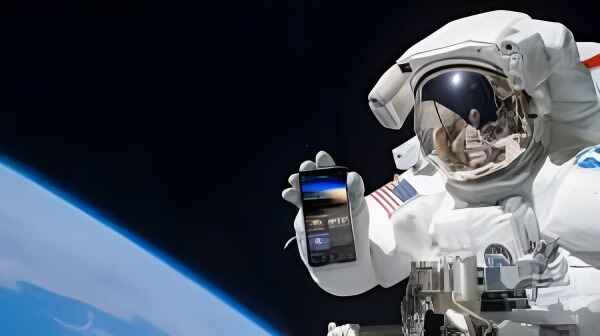
For the first time in its history, NASA will allow astronauts to carry their own smartphones during crewed missions, a move that quietly ends one of the agency’s longest-standing rules on personal electronics.
The change applies immediately to the Crew-12 mission launching to the International Space Station next week and will extend to the Artemis 2 flight, the first crewed voyage around the Moon since Apollo.
The decision came after a remarkably fast internal review. Officials realised that today’s smartphones, properly prepared, could safely operate in the harsh environment of space while giving astronauts a far more natural way to document their journey.
Until now, crews have depended on specially certified cameras that are often ten or more years old. The new policy means astronauts will be able to use the latest models they already own, capturing moments with the same devices they use on Earth.
NASA Administrator Jared Isaacman described the step as both practical and deeply human. “We are giving our people the tools to hold on to memories for their families and to share the wonder of space with everyone back home,” he wrote on X.
The implications go beyond nostalgia. Future missions will now be recorded with greater spontaneity and detail than ever before. Zero-gravity selfies, quick videos from inside the spacecraft, and even light-hearted clips could become part of the official visual record.
The approval process itself surprised many inside the agency. What usually takes months or years was completed in weeks, proving that NASA can move quickly when the need is clear.
Commercial companies had already taken this step. SpaceX permitted personal phones on its private missions several years ago. NASA’s decision brings government-led exploration in line with that more flexible approach.
For the public, the change promises something rare: space travel seen through ordinary eyes rather than only through the lens of official equipment. The images and videos that return may feel closer, more immediate, and more personal.
In a field where every gram and every volt is scrutinised, allowing everyday smartphones may seem a small concession. Yet for the men and women who will live aboard these spacecraft, it is a quiet but meaningful recognition that even in the most extreme environment, some parts of ordinary life still belong.
- ভাত রান্নার আগে চাল ভালো করে ধুতে বলা হয় কেন?
- মোটরসাইকেলের সামনেও নম্বর প্লেট রাখা বাধ্যতামূলক
- বিএসএফের হাতে আটক দুই পুলিশ সদস্যকে ফেরত আনল বিজিবি
- এডিস মশা শনাক্ত করবে ‘স্মার্ট ফাঁদ’
- এনআইডিতে নাম, বয়স ও ঠিকানা সংশোধনে যেসব কাগজপত্র লাগবে
- ফ্যামিলি ও কৃষক কার্ডে কমবে দারিদ্র্য, ধারণা বিশ্বব্যাংক-আইএমএফের
- বয়স্করা যেসব খাবার এড়িয়ে চলবেন
- বৈশ্বিক ক্ষুধা সূচকে ভারত-পাকিস্তানের চেয়ে এগিয়ে বাংলাদেশ
- বাংলাদেশ-ওয়েস্ট ইন্ডিজ সিরিজের সূচি পরিবর্তন
- ঢাকার বায়ুদূষণ দেশের জন্য লজ্জার বিষয়: প্রধানমন্ত্রী
- ‘বাংলাদেশ পথ দেখিয়েছে’, নেহার ভিডিও নিয়ে বিস্ফোরক অভিযোগ বিজেপির
- প্রক্রিয়া শুরু
মালয়েশিয়ায় যেভাবে হবে বাংলাদেশি কর্মী নিয়োগ - দীর্ঘ সময় ফোন ব্যবহারে চোখে জ্বালাপোড়া, সমাধান কী?
- ওষুধ কারখানার আগুনে ক্ষয়ক্ষতি হলেও প্রাণহানি নেই
- নোবেল পুরস্কারের ফেসবুক পেজে রবীন্দ্রনাথ ও রাসেলের ১১৪ বছরের চিঠি
- ক্যারিয়ার সেরা র্যাঙ্কিংয়ে হাসান মাহমুদ
- রাশিয়ায় নিয়ে যুদ্ধে পাঠানো ৩০ বাংলাদেশির ২০ জনের মৃত্যু
- অপারেশন ক্লিন হার্টের মতো অভিযানের পরিকল্পনা নেই
- দূষণজনিত মাথাব্যথা নাকি মাইগ্রেনের সমস্যা? বুঝবেন যেভাবে
- সমুদ্র তীরে দাঁড়িয়ে দৈত্যাকার দানব
- নিউটনের ঢের আগে মাধ্যাকর্ষণ শক্তির টের পান দা ভিঞ্চি!
- সেরা ঘুমের প্রতিযোগিতা, পুরস্কার ১৪ হাজার ডলার
- নাফ নদীতে ইয়াবা পাচারের ‘ডুবন্ত সাবমেরিন’ উদ্ধার
- বাংলাদেশ থেকে জয় ছিনিয়ে ড্র আফগানিস্তানের
- বন্ধুর চেয়ে শত্রুর নাম বেশি মনে থাকে কেন?
- সারাদেশে ২ দিন এলপিজি বিক্রি বন্ধ থাকবে
- অর্থনীতিতে নোবেল পেলেন রবার্ট ই হল ও মাইকেল উডফোর্ড
- বাংলাদেশসহ কয়েক দেশের শিক্ষার্থী ভর্তিতে কঠোর যুক্তরাজ্য
- বিধবা কার্ড দিলে সবার আগে এমপির বউ নেবে: হাসনাত আবদুল্লাহ
- মধ্যপ্রাচ্য সংঘাতে রেমিট্যান্স কমার শঙ্কা, নতুন শ্রমবাজারে নজর
- সন্দেহের বশে বাংলাদেশি তকমা দিয়ে পুশইন নয়: কলকাতা হাইকোর্ট
- বিয়ের জন্য যেমন ছেলে চান মিমি
- যেসব খাবার একসঙ্গে খেলে বেশি পুষ্টি মিলে
- বিমানবন্দরে ‘সোনার ডিম’ উদ্ধার: ৫ দিনের রিমান্ডে আসামি
- রূপপুরের বিদ্যুৎ দ্রুত জাতীয় গ্রিডে সরবরাহ: রোসাটম
- শান্তিতে নোবেলজয়ী কে এই নাভি পিল্লাই
- হ্যাটট্রিক করে ইতিহাসে হাসান মাহমুদ
- দূষণজনিত মাথাব্যথা নাকি মাইগ্রেনের সমস্যা? বুঝবেন যেভাবে
- হঠাৎ চুল পড়া বাড়লে কি করবেন?
- দুর্গাপূজা: বাঙালি হিন্দুদের বড় ধর্মীয় উৎসবে পরিণত যেভাবে
- অর্থনীতিতে নোবেল পেলেন রবার্ট ই হল ও মাইকেল উডফোর্ড
- বন্ধুর চেয়ে শত্রুর নাম বেশি মনে থাকে কেন?
- সারাদেশে ২ দিন এলপিজি বিক্রি বন্ধ থাকবে
- একটি দৃশ্যের জন্য এখনো বারবার মহড়া দেন অমিতাভ
- সেরা ঘুমের প্রতিযোগিতা, পুরস্কার ১৪ হাজার ডলার
- জনগণের অর্থের প্রতিটি পয়সা জাতীয় স্বার্থে ব্যয়ের নির্দেশ
- মধ্যপ্রাচ্য সংঘাতে রেমিট্যান্স কমার শঙ্কা, নতুন শ্রমবাজারে নজর
- দীর্ঘ সময় ফোন ব্যবহারে চোখে জ্বালাপোড়া, সমাধান কী?
- সমুদ্র তীরে দাঁড়িয়ে দৈত্যাকার দানব
- বাংলাদেশসহ কয়েক দেশের শিক্ষার্থী ভর্তিতে কঠোর যুক্তরাজ্য